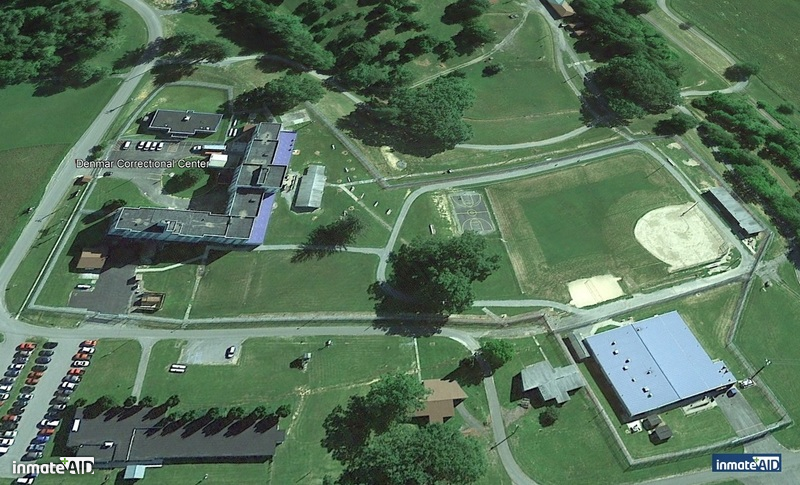
Denmar Correctional is for State Prison offenders sentenced anywhere from one year to life by the State Court in the county where the charges were filed
All prisons and jails have Security or Custody levels depending on the inmate’s classification, sentence, and criminal history. Please review the rules and regulations for State - medium facility.
The phone carrier is Global Tel Link (GTL) - ConnectNetwork, to see their rates and best-calling plans for your inmate to call you.
If you are seeking to send your inmate money for commissary, one recommended for this facility is JailATM™ There is a fee for sending money, see their rates and limitations.
If you are unsure of your inmate's location, you can search and locate your inmate by typing in their last name, first name or first initial, and/or the offender ID number to get their accurate information immediately Registered Offenders
Denmar Correctional is a State - medium state correctional facility in Hillsboro, WV, operated by the West Virginia Department of Corrections. Inmates serve sentences ranging from one year to life and have access to programs including education, vocational training, and work assignments. This page covers how to locate an inmate, schedule visits, make calls, send money, and stay connected throughout their sentence at Denmar Correctional.
While incarcerated, reading is often the best use of time. Please note that books and magazines, puzzles, and word searches ordered for inmates must come directly from the publisher. This policy ensures that the items are new, untampered, and comply with the facility's regulations. Prisons and jails enforce this rule to prevent the introduction of contraband or prohibited materials. By restricting orders to publishers, the facility can better maintain security and control over the content entering the institution. Any books or magazines not received directly from the publisher will be rejected and not delivered to the inmate. You may, however, send letters and selfies to inmates with this easy-to-use app, packages starting at only $8.00.
The Center originated as a state hospital for tuberculosis patients before serving as a long-term care facility for the chronically ill until its closure in 1990. Subsequently, in February 1993, the facility was repurposed as a state medium-security prison through a deed conveyance from the Pocahontas County Commission. Renovation funds were allocated during the 1993 legislative session to convert it into Denmar Correctional Center.
The center features razor wire fencing and electronic detection devices for security. Inmates have access to various programs, including Alcoholics/Narcotics Anonymous, substance abuse treatment, sex offender treatment, anger management, and victim awareness. Internal employment opportunities encompass kitchen and laundry work, as well as harvesting from the on-site garden.
Alcohol and Drug Education, Treatment, and Relapse Prevention (ALADRUE) is a notable program available at Denmar, catering to offenders in different stages of substance abuse. Long-term Residential Substance Abuse Treatment (RSAT) Units, based on a therapeutic community model, operate within the correctional system, promoting recovery and lower recidivism rates.
The facility also offers Anger Management programs and operates WV Correctional Industries, established in 1939 to provide skills training to inmates and reduce recidivism. This program furnishes necessities to government and nonprofit organizations within West Virginia, excluding Braille materials, which are sold on the open market. For inquiries, the contact phone number is (304) 558-6054, and more information is available at wvcorrectionalindustries.com/.
The West Virginia Regional Jails updates offender information regularly, but due to rapid changes, the data may not always reflect the current location, release date, or status of an inmate. While the information is believed to be accurate, no warranties are made regarding its accuracy or completeness. The latest or most complete information may not always be available due to data conversion issues. The sentencing information provided is not intended to reflect the full details of the criminal case, and it is recommended to consult court records for definitive information. Anyone who reuses or republishes this data is solely responsible for any claims or liabilities, including defamation or invasion of privacy, arising from improper disclosure.
The West Virginia Division of Corrections and Rehabilitation (WVDCR) and the West Virginia Regional Jail Authority (WVRJA), while now part of the same overarching system, serve distinct functions within the state’s correctional structure.
The WVDCR manages state prisons and correctional facilities that house individuals convicted of serious crimes and serve longer-term sentences. Its focus is on rehabilitation, reentry programs, and managing inmates who are sentenced to long-term incarceration.
In contrast, the WVRJA traditionally oversaw the regional jail system, which primarily houses individuals awaiting trial or those serving short-term sentences for lesser offenses, like misdemeanors. These regional jails consolidated county jails to streamline operations and reduce costs for local governments.
In 2018, these entities were combined under the WVDCR as part of a broader reorganization aimed at improving efficiency and coordination across West Virginia's correctional system. Despite this merger, the distinction between the types of inmates they manage remains: regional jails focus on pre-trial detainees and short-term sentences, while state prisons manage long-term incarceration