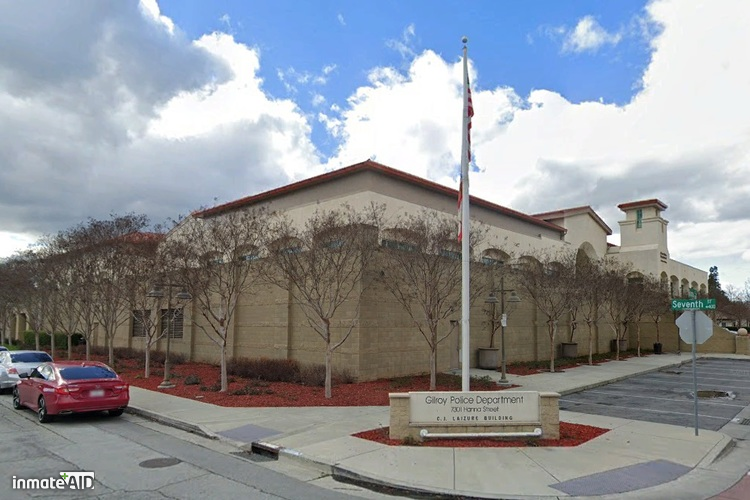
Gilroy Police Dept is for City Jail offenders sentenced up to twenty four months.
All prisons and jails have Security or Custody levels depending on the inmate’s classification, sentence, and criminal history. Please review the rules and regulations for City Jail - medium facility.
If you are unsure of your inmate's location, you can search and locate your inmate by typing in their last name, first name or first initial, and/or the offender ID number to get their accurate information immediately Registered Offenders
The Gilroy City Jail is a city jail located at 7301 Hanna St in Gilroy, CA. It serves as the holding facility for the Gilroy Police Department or agencies within the judicial district of Santa Clara County. City jails are locally operated short-term facilities that hold inmates awaiting trial or sentencing or both, and inmates sentenced to a term of less than one year, typically misdemeanants or repeat nuisance criminals. Most inmates not condemned to penalty or punishment could qualify for bail. If you would like information regarding a release, please call 408-846-0300.
Inmates scheduled for longer-term sentences will get transferred to a Federal or State Prisons run by either the Bureau of Prisons (BOP) or California Department of Corrections. There is no time frame given for the transfer, the factors include bed space and logistic timing for the sheriff or marshals to transport the inmate securely.
• Receive phone calls from the inmates,
• Provide them with commissary money
• Schedule a time to visit.
If you're trying to locate someone in custody at Gilroy City Jail in Gilroy, California, the fastest path depends on how recently the arrest happened, what type of facility holds the inmate, and how quickly that facility updates its public records. There is no single nationwide inmate database that covers every detention facility in real time, so locating a specific person often means checking multiple sources or calling Gilroy City Jail directly at 408-846-0300.
The InmateAid inmate search is the fastest starting point for locating someone at Gilroy City Jail. The search pulls from facility rosters, booking systems, and arrest record databases to return current custody status, charges, and housing facility. If the person was arrested or transferred recently and doesn't appear yet, the facility likely hasn't updated its public roster, which can lag by hours or a full business day. Try again later or call 408-846-0300 to confirm.
Several explanations are possible if a person isn't showing up. The booking may not be complete. The person may have been released, transferred to another facility, or moved to federal or immigration custody. Some facilities deliberately delay public records by 24 to 72 hours for security reasons. Minors are never published in any public locator regardless of facility. To rule out a transfer or release, call 408-846-0300 and ask the booking desk to confirm current status.
Have ready: full legal name and any aliases, date of birth, and approximate date of arrest. If you know which agency made the arrest, that narrows results significantly. A booking number locates the record immediately. Without at least a full name and approximate date, searches return too many results to be useful.
When you confirm the person is at Gilroy City Jail, set up a prepaid phone account so you don't miss the first call, and arrange any money transfer or commissary funding needed. For phone discount plans, money transfer, and mail services available at Gilroy City Jail, see InmateAid's inmate services and call 408-846-0300.
To confirm current custody status, recent transfers, or release information at Gilroy City Jail, call 408-846-0300.
The Gilroy City Jail in Gilroy, California is a municipal law enforcement agency. Officers patrol the city, respond to calls, investigate crimes, and make arrests within Gilroy's jurisdiction. Gilroy City Jail does not operate a long-term jail. Arrestees may be held briefly in a Gilroy City Jail holding cell or booking room, typically only for the few hours required to complete initial processing, before being transferred to the Santa Clara County jail for arraignment and longer-term housing. If you're trying to locate or contact someone just arrested in Gilroy, the destination within hours of arrest is almost always the county jail, not Gilroy City Jail.
Police department holding is short-term by design. Most arrestees brought to Gilroy City Jail are held only long enough for fingerprints, photographs, an inventory of personal property, and entry into the booking system. Holding can last a few hours to roughly 24 hours, depending on the time of arrest, court schedules, and intake capacity at the receiving jail. Late-night and weekend arrests often sit longer because court arraignments are limited to business hours and the transfer van may not run until morning. During this window, visitors are not permitted and phone calls may not yet be available.
After initial processing at Gilroy City Jail, arrestees are transferred to the Santa Clara County jail. The county jail handles longer-term pretrial detention, arraignment scheduling, bond intake, and any sentenced time served locally. Once the transfer is complete, the arrestee shows up in the county jail's inmate roster, becomes available for phone calls under the jail's contracted provider, and follows the county jail's visitation rules. To find the arrestee after transfer, use the InmateAid inmate search and look for the Santa Clara County jail record. The county jail's facility page on InmateAid covers visitation, phone discount setup, and money transfer options once your person is in their system.
Arrestees at Gilroy City Jail may or may not receive a phone call during the brief holding period. Most jurisdictions allow at least one call after booking, but the timing depends on staffing, processing volume, and whether the call happens at Gilroy City Jail or after transfer to the county jail. The call is typically routed through the facility's contracted phone provider as a collect call or via a prepaid account. To make sure you don't miss the first call when it comes through, set up a prepaid account in advance through InmateAid's discount calling service.
Gilroy City Jail does not set bail. Bail is set by a judge at arraignment, which usually happens at the county courthouse after transfer to the Santa Clara County jail. Minor misdemeanor arrests may qualify for cite-and-release at the scene or station-house release after booking at Gilroy City Jail, in which case the arrestee is released without ever going to county jail. Felony arrests and serious misdemeanors almost always go to the county jail to wait for arraignment, which can take hours, overnight, or until the next business day depending on when the arrest occurred. For specific bond information, contact the receiving county jail.
There is no visitation at Gilroy City Jail because the holding period is too short and the facility is not built for visitors. Once the arrestee is transferred to the Santa Clara County jail, that facility's visitation rules apply, including approved visitor lists, scheduled visiting hours, ID requirements, and dress codes. To find the receiving facility and its visitation rules, search for the Santa Clara County jail through the InmateAid inmate search and review the visitation section on that facility's page.
To confirm whether someone is still at Gilroy City Jail or has been transferred to the county jail, call 408-846-0300.
Understanding Prison Phone Services: The Lowest Rate Is Now the Law
For decades, prison phone companies held a monopoly within the facilities they contracted with and charged whatever the market would bear, sometimes a dollar a minute or more. InmateAid spent years doing the legwork for families, finding the lowest rate available at each facility. On April 6, 2026, the government finally did what InmateAid's service did for years: it put a guaranteed ceiling on what every family pays. Federal rate caps now limit phone calls to $0.11 per minute at prisons and large jails, and no more than $0.18 per minute at even the smallest county jails, plus a small facility fee. Video calls are capped for the first time.
What that means in real dollars: a 15-minute call from a state prison now tops out around $1.95 before taxes, where that same call once cost $12 or more. Rates have flattened nationwide, and you can be confident the price you pay sits at or below a legal ceiling, guaranteed. Six states (California, Colorado, Connecticut, Massachusetts, Minnesota, and New York) have gone further and made calls from state prisons free.
Some things have not changed. The provider at your facility is still the only option, prepaid accounts still beat collect calls nearly every time, and add-on fees for funding accounts can still creep onto your bill. Check the per-minute rate you are actually paying, switch to prepaid if you are receiving collect calls, and review your first statement. In federal prisons, note that pandemic-era free calling ended in January 2025; inmates enrolled in First Step Act programming earn 300 free minutes per month, so encourage your loved one to ask their case manager about enrollment.
For the complete breakdown of the new caps, facility size tiers, and which states are affected, read InmateAid's full guide: FCC Prison Phone Rate Caps 2026: What Changed and What It Means for Your Family. For facility-specific phone details, visit the InmateAid page for the facility where your inmate is incarcerated.
Sending money to inmates is a crucial way for family members and friends to support their loved ones during incarceration. Inmates often rely on financial assistance to purchase basic necessities, maintain communication with the outside world, and participate in programs that aid their rehabilitation. This guide provides a thorough overview of how to send money to inmates, the rules and restrictions involved, and the importance of these funds in the lives of incarcerated individuals.
Incarceration provides the bare minimum of necessities, such as food, clothing, and hygiene products. However, these basic provisions often fall short of inmates' actual needs. Money allows inmates to access:
Funds in an inmate’s account provide a sense of autonomy and improve their quality of life, helping them maintain a connection to normalcy.
When money is sent to an inmate, it is deposited into their trust account. This account functions as a personal bank account within the facility. Inmates use these funds for various expenses, and any earnings from prison jobs are also deposited here. For inmates with outstanding fines or restitution orders, a portion of the funds may be garnished to meet these obligations.
The process for sending money to inmates varies by facility type (county, state, or federal) and the service providers they contract with. Below are the most common methods:
Many facilities partner with electronic money transfer services like JPay, Access Corrections, and MoneyGram. These platforms allow friends and family to deposit funds conveniently via a website or mobile app.
Money orders can be mailed directly to the facility. Be sure to include the inmate’s full name, ID number, and any other required details to ensure the money is credited to their account.
Some facilities have kiosks located in their lobbies or visitation areas. These kiosks accept cash, debit, or credit card payments for direct deposit into an inmate’s account.
Certain service providers offer phone-based transfers, where funds can be sent using a credit or debit card.
In some state and federal facilities, centralized banking systems allow funds to be sent without requiring the inmate’s exact location. Examples include the Federal Bureau of Prisons (BOP) system, which centralizes transactions for inmates across the country.
Each facility imposes specific rules to regulate money deposits:
It is essential to review the facility's guidelines to avoid delays or rejection of your deposit.
The commissary, sometimes referred to as a canteen, is a store within the correctional facility where inmates can purchase goods not provided by the prison. Common items include:
For indigent inmates who lack funds, many facilities provide basic supplies like paper and stamps, ensuring they can maintain communication with loved ones.
1. Can anyone send money to an inmate?
Most facilities allow family and friends to send money, but some require the sender to be on an approved list. Always check with the facility for specific requirements.
2. Are there fees for sending money?
Yes, electronic transfer services like JPay or MoneyGram typically charge fees, which vary depending on the amount sent and the method used.
3. How quickly does the inmate receive the funds?
Electronic transfers are usually processed within 24 to 48 hours. Money orders and mailed funds may take up to a week to process.
4. What happens if an inmate has outstanding fines?
Funds in an inmate’s trust account may be garnished to pay for fines, restitution, or other obligations. The remaining balance is available for the inmate's use.
5. Can inmates send money to others?
Inmates are generally prohibited from transferring money to other inmates. Exceptions may exist for approved family transfers, but this is rare.
6. What should I do if I suspect misuse of funds?
If you believe an inmate is misusing funds or being extorted, contact the facility’s counselor or case manager discreetly to address the issue.
If an inmate has outstanding fines or restitution, the funds in their commissary or trust account may be garnished. The facility will typically deduct a portion of each deposit, or in some cases, the entire amount, depending on the nature of the financial obligation. To avoid surprises, inmates should speak with their counselor or case manager before their incarceration begins to understand these deductions. Knowing in advance that 20-25% of all deposits might be withheld is better than discovering the account is empty when attempting a commissary purchase.
An unexpected request for additional funds may indicate that the inmate is facing trouble or engaging in prohibited activities. This could involve gambling, extortion, or other situations requiring extra money. It’s important to establish clear boundaries, such as stating, “This is the amount I can send each month,” and adhering to that limit. Avoid sending more than you can afford or being pressured into exceeding your set amount.
Important Note: Never send money to another inmate’s account at the request of your loved one. This is often a red flag indicating a deeper issue. Such transactions are usually monitored by correctional staff, and if discovered, can result in disciplinary action for the inmate, including the loss of privileges.
If you suspect misuse of funds or believe your loved one is being coerced, contact the facility’s counselor or case manager to discuss your concerns. Use neutral language to avoid putting the inmate in a more difficult position if your suspicions turn out to be unfounded. Facility staff are trained to handle these situations discreetly and can guide how to proceed
Looking to send heartfelt greetings to your loved one in prison? Some facilities have recently updated their rules for incoming mail to protect staff from potential drug contamination through the ink used in mail pieces. These new rules require mail to be sent to a third-party post office box, where it is scanned into computer files and shared with inmates without anyone physically handling the original mail. When sending letters, photos, postcards, greeting cards, and magazines to inmates at Gilroy City Jail, adherence to specific guidelines is essential. Both incoming and outgoing mail undergo inspection to prevent the introduction of contraband that could compromise the safety, security, or well-being of the facility, its staff, and residents.
Inmate mail must not contain content that poses an immediate threat to jail order, such as descriptions of manufacturing weapons, bombs, incendiary devices, or escape tools that could realistically endanger jail security. Content advocating violence, racial supremacy, or ethnic purity is also prohibited. Additionally, inmate-to-inmate mail is not allowed and will be destroyed.
To simplify the process, individuals can utilize the mailing services offered by InmateAid. This automated system makes sending special messages or pictures to loved ones convenient and efficient. InmateAid has successfully sent tens of thousands of mail pieces per month without encountering issues with prisons or jails. Envelopes bearing the InmateAid logo assure mail room staff that the contents comply with regulations, establishing a trust that has been maintained since 2012.
Inmates are permitted to receive only metered, unstamped, plain white postcards no larger than 4" x 6". Writing must be done in pencil or blue or black ink. Any other type of mail will be returned to the sender. If there is no return address, unauthorized mail will be stored in the inmate's locker until their release. Again, InmateAid's service for postcards and greeting cards complies with the old and new rules. You can get 8 postcards/greeting cards for only $8.
By following these guidelines and using reliable services like InmateAid, you can ensure your mail reaches your loved one safely and without complications.
An inmate commissary, often referred to as a "canteen," is a store within a correctional facility where incarcerated individuals can purchase items not provided by the institution. Commissary services play an essential role in improving the quality of life for inmates by giving them access to additional goods and services. Here's what you need to know about how commissaries function and the impact they have:
Commissary stores typically offer a wide range of products, including:
Inmates use funds from their trust accounts to make purchases. These accounts are funded by money sent from family or friends, as well as wages earned from jobs within the facility. Without available funds, inmates cannot access commissary items unless they qualify as indigent, in which case the facility may provide limited basic supplies like paper and stamps.
Commissary services enhance the overall well-being of inmates in several ways:
Each facility has strict rules governing commissary purchases:
Inmate commissaries provide more than just goods—they offer a vital connection to the outside world and an opportunity for inmates to manage their daily needs. For families and friends, ensuring your loved one has funds in their trust account can significantly improve their experience during incarceration. Always check the specific rules and options available at the facility to better support your loved one.
Purchasing commissary care packages for an inmate is a thoughtful way to show support and provide essential items they may not otherwise have access to. These packages often include a variety of approved products such as snacks, hygiene items, and personal necessities. Here’s how you can buy commissary care packages online:
Find the Facility’s Approved Vendor
Correctional facilities typically partner with approved providers like Keefe Group, Access Securpak, Union Supply Direct, Walkenhorst’s, or CareACell. These vendors work directly with facilities to ensure that the items in the packages meet all regulations.
Search for the Inmate’s Facility
Visit the vendor’s website and select the correctional facility where your loved one is housed. This ensures that you see the packages and items specifically allowed for that institution.
Select a Package
Browse the available packages, which often include bundles of snacks, toiletries, and even seasonal or holiday-themed items. Many services also allow customization, so you can tailor the package to your loved one’s preferences.
Enter the Inmate’s Details
Provide the inmate’s full name and ID number to ensure the package is delivered to the correct person. Double-check this information to avoid delivery issues.
Complete Your Purchase
Add the selected package to your cart, proceed to checkout, and make your payment using a credit or debit card. Some vendors may also offer alternative payment methods.
Confirm Delivery Guidelines
Delivery schedules vary by facility, so check when packages are typically distributed. Most vendors provide estimated delivery times and tracking options.
By following these steps, you can easily send a commissary care package to brighten an inmate’s day. These packages not only provide comfort but also remind your loved one that they are supported and cared for. For added convenience, many vendors offer affordable pricing and frequent promotions to help you maximize your support
What is Gilroy City Jail, and who is held here?
Gilroy Police Dept is a City/Municipal Jail that primarily houses individuals arrested by local law enforcement. It holds pretrial detainees, individuals serving short sentences (less than 12 months), and those awaiting transfer to county or state facilities.
How can I find out if someone is in custody at Gilroy City Jail?
To check if someone is detained at Gilroy Police Dept, use the inmate locator on the website or call 408-846-0300. You may need the person’s full name and date of birth to obtain information.
How long can someone be held at Gilroy City Jail?
Most individuals are held for less than 72 hours before being released, transferred to a county jail, or appearing before a judge. However, those serving short sentences may stay longer, depending on municipal policies.
What happens during the booking process at Gilroy City Jail?
Booking includes fingerprinting, photographing, medical screening, warrant checks, and recording of charges. The individual is then assigned to a holding cell or general population while awaiting further processing.
Can I post bail for someone being held at Gilroy City Jail?
Yes, bail can be posted at Gilroy Police Dept if the detainee is eligible. Bail payments may be made using cash, credit, or through a bail bondsman. Contact 408-846-0300 for specific bail procedures.
What are the visitation rules at Gilroy City Jail?
Visitation is subject to facility-specific guidelines. Visitors must be pre-approved, provide valid identification, and comply with dress codes. Some city jails allow video visitation through the prison phone provider.
How can I send money to an inmate at Gilroy City Jail?
Funds can be deposited into an inmate’s commissary account via an outside third-party money transfer company like JailATM, InmateCanteen, Western Union money orders, or lobby kiosks. Check their website for deposit instructions and allowable limits.
Can inmates at Gilroy City Jail make phone calls?
Yes, detainees are allowed outgoing calls using their contracted phone carrier. Calls may be collect or prepaid, with time limits enforced. All calls are monitored and recorded.
Can I send mail to an inmate at Gilroy City Jail?
Yes, inmates may receive letters, photographs, and approved reading materials. All mail is screened for contraband. Polaroids, explicit content, and certain materials are prohibited. Try this InmateAid app for sending letters, postcards or selfies to an inmate.
Are attorneys allowed to visit inmates at Gilroy City Jail?
Yes, legal visits are allowed. Attorneys can visit in person during designated hours and must present bar credentials and client information. Legal calls may also be arranged.
What medical care is available at Gilroy City Jail?
Basic medical, mental health and prescription medication services are provided. Inmates needing urgent care may be transported to a hospital for treatment.
Are there work programs or educational services at Gilroy City Jail?
Many city jails focus on short-term detention, so educational or work programs may be limited. Some facilities offer substance abuse counseling, GED prep, or reentry support for eligible inmates.
Can an inmate request a transfer from Gilroy City Jail?
No, inmates cannot request transfers. Transfers are determined by court orders, sentence length, and facility capacity. Some detainees are moved to county jails or state prisons based on their legal status.
What happens when an inmate is released from Gilroy City Jail?
Upon release, individuals may be discharged from the facility, transferred to another institution, or placed under probation supervision. Some detainees must appear in court for pending cases.
Can someone be held at Gilroy City Jail for unpaid fines or warrants?
Yes, individuals with outstanding warrants or unpaid fines may be held until their case is resolved or a bond is posted. Warrant checks are conducted during the booking process.
What happens to personal belongings when someone is booked into Gilroy City Jail?
Personal property is collected, inventoried, and stored during booking. Upon release, individuals receive their belongings unless items are held as evidence.
Can I pick up an inmate’s property if they are transferred from Gilroy City Jail?
Yes, with written authorization from the inmate, a designated individual may retrieve personal property. Contact 408-846-0300 to arrange a pickup.
How can I report concerns about an inmate’s safety at Gilroy City Jail?
Concerns can be reported to the Gilroy City Jail administration or the municipal police department overseeing the jail. In serious cases, contact legal representatives or advocacy groups for assistance.
What should I do if I believe someone was wrongfully arrested and is being held at Gilroy City Jail?
Contact a criminal defense attorney immediately. The attorney can request court hearings, review charges, and determine the best legal course of action.