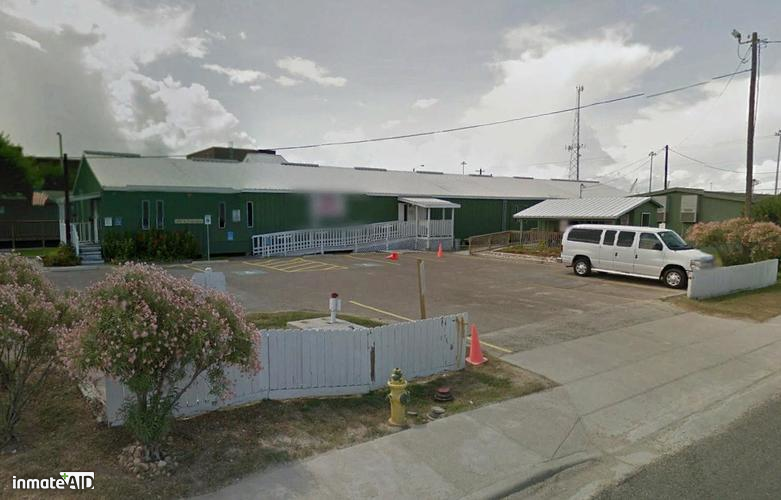
Corpus Christi Transitional is for Reentry & Treatment Facility offenders have not been sentenced yet and are detained here until their case is heard.
All prisons and jails have Security or Custody levels depending on the inmate’s classification, sentence, and criminal history. Please review the rules and regulations for Reentry facility.
If you are unsure of your inmate's location, you can search and locate your inmate by typing in their last name, first name or first initial, and/or the offender ID number to get their accurate information immediately Registered Offenders
The Corpus Christi Transitional Center - CoreCivic located at 1515 North Tancahua St Corpus Christi, TX, focuses on successful offender reintegration into society, crucial for effective crime control. With high recidivism rates, evidence-based practices tailor programs for medium to high-risk individuals, reducing repeat offenses. Reentry and Treatment Centers offer structured environments and various programs aiding rehabilitation and community reconnection efforts. Collaborating with the Nueces Sheriff's Department, the Texas Department of Corrections, and sometimes the US Marshal Service/Federal Bureau of Prisons, comprehensive reentry services prioritize education, substance abuse treatment, and workforce development. Facilities assist officers in monitoring compliance and serve as alternatives to pretrial detention, considering cost-effectiveness and reducing overcrowding. Emphasizing individual needs, family support, and community integration, the center aims for holistic support, empowering successful reintegration.
The Corpus Christi Transitional Center in Corpus Christi, Texas, operates as a residential halfway house and treatment facility focused on helping offenders transition successfully from incarceration back into the community. Formerly known as Reality Ranch, the center was acquired in November 2012 and now contracts with the Texas Department of Criminal Justice to provide halfway house services and therapeutic treatment programming. Overseen by Administrator Deborah Gardiner, the facility combines structured supervision with rehabilitation, employment assistance, and substance abuse treatment designed to reduce recidivism and strengthen long-term reintegration outcomes for residents returning to society after incarceration.
The facility maintains housing for up to 110 residents, making it an important community corrections resource within South Texas. The Corpus Christi Transitional Center serves offenders requiring structured supervision and support following release from state correctional custody. Unlike traditional prisons or jails focused primarily on confinement, the center emphasizes accountability, treatment, employment readiness, and behavioral development in a residential environment designed to help residents gradually reintegrate into independent community living. The facility also provides three meals per day for residents as part of its structured residential programming.
One of the most distinctive features of the Corpus Christi Transitional Center is its licensed therapeutic treatment component. The facility is certified by the Texas Department of State Health Services to provide drug and alcohol treatment services for residents struggling with substance abuse and addiction-related issues. Residents receive case management services, counseling support, reintegration assistance, and structured programming aimed at helping them maintain sobriety while developing stronger personal stability. The center’s combination of treatment programming and community reintegration services allows residents to address both behavioral and practical challenges associated with successful reentry after incarceration.
Operationally, the Corpus Christi Transitional Center functions as a structured community corrections environment balancing supervision with increasing personal responsibility. Staff members assist residents with employment placement, job searches, transportation coordination, and reintegration planning while maintaining accountability standards tied to the Texas Department of Criminal Justice. Public transportation is available near the facility, allowing many residents access to employment opportunities and community services throughout Corpus Christi. When residents are unable to utilize public transportation, the facility provides transportation assistance for employment, job searches, medical and dental appointments, and other approved off-site programming activities.
Today, the Corpus Christi Transitional Center remains an important part of Texas’ broader correctional reentry and rehabilitation system. Through its combination of halfway house supervision, substance abuse treatment, employment assistance, transportation support, and reintegration programming, the facility helps residents develop the skills and stability needed to transition successfully back into the community. Under the leadership of Administrator Deborah Gardiner, the center continues supporting Texas’ efforts to reduce repeat incarceration, improve treatment outcomes, and strengthen public safety through structured rehabilitation and community-based corrections programming.