1. Home
  2. All Facilities
  3. Collin County TX Detention Facility

Collin County TX Detention Facility

County Jail

Last Updated: July 21, 2025
Address
4300 Community Ave, McKinney, TX 75071
Beds
1600
County
Collin
Phone
972-547-5100
Fax
972-547-5303
Email
sheriffbox@collincountytx.gov
Mailing Address
PO Box 247, Phoenix, MD 21131

Collin Co Jail is for County Jail offenders sentenced up to twenty four months.

All prisons and jails have Security or Custody levels depending on the inmate’s classification, sentence, and criminal history. Please review the rules and regulations for County - medium facility.

The phone carrier is Inmate Calling Solutions (ICSolutions), to see their rates and best-calling plans for your inmate to call you.

If you are seeking to send your inmate money for commissary, one recommended for this facility is TouchPay There is a fee for sending money, see their rates and limitations.

If you are unsure of your inmate's location, you can search and locate your inmate by typing in their last name, first name or first initial, and/or the offender ID number to get their accurate information immediately Registered Offenders

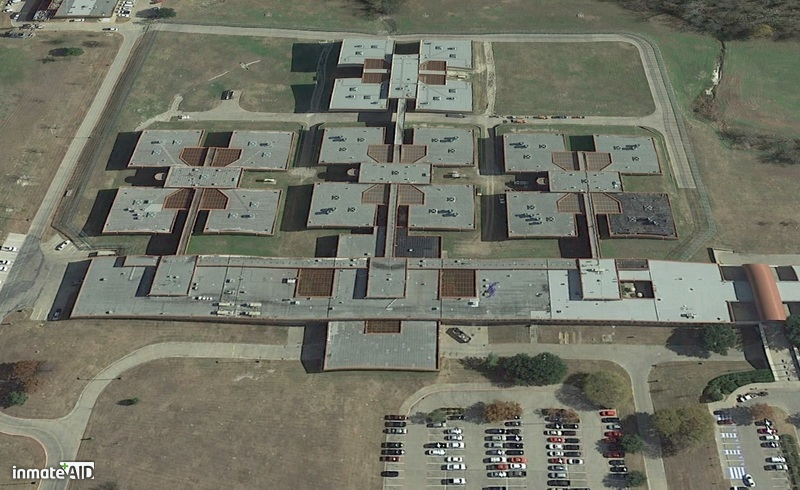
Satellite View of Collin County TX Detention Facility
Search Arrest Records

Nearby Facilities

If your loved one is at Collin Co Jail, InmateAid can help you stay connected. Call the facility directly at 972-547-5100 with any immediate questions.

Collin Co Jail is a county detention facility in McKinney, TX, operated by the Collin County Sheriff's Office. Inmates here are typically awaiting trial, sentencing, or transfer to a state facility, and may remain for days to up to two years. If your loved one is housed here, this page covers how to find them, visit, call, send money, and stay connected throughout their time at Collin Co Jail.

You can see all the arrest records for Texas here.

Questions About This Facility

Collin County constructed a "direct supervision" facility using a podular design for inmate housing to create a secure and humane environment for both staff and inmates. This structure, along with the direct supervision philosophy, emphasizes inmate supervision rather than control through intermittent surveillance and security barriers. Given that detention employees spend more time in the facility than inmates, the design prioritizes a safe and normal working environment to promote morale, motivation, and efficiency, and minimize staff turnover. The Detention Bureau, a division of the Sheriff's Office, operates under the sheriff's jurisdiction but is physically separated from the sheriff's administrative area.

The detention lobby features two public waiting areas to separate inmate visitors from administrative visitors. The lobby also includes public information, visitor processing, storage lockers, restrooms, water fountains, and telephones, with controlled visitor access via security zones.

Staff services and training areas are dispersed throughout the building, including indoor and outdoor dining areas, a short-order grill, vending area, locker rooms, and facilities for classroom instruction, briefings, and physical training. Security is maintained 24/7 through a master control station equipped with state-of-the-art electronic monitoring systems for all access points, fire and smoke detection, and mechanical and emergency power systems. Additional control stations monitor individual pod activities at each cluster level housing area.

Inmates first encounter the detention facility during the booking process in the processing area, where they are introduced to the direct supervision philosophy. They remain in an open waiting area until the booking process is completed unless their behavior requires traditional confinement. The processing area is designed for efficient coordination with separate zones for admissions, transfers, and releases. Adjacent to the processing area is the property, bond, and release areas, accessible via the public corridor for posting bonds, paying fines, or retrieving personal property.

Accurate inmate classification is crucial to the direct supervision management philosophy. The classification process evaluates the inmate's criminal history, physical, mental, and social conditions to determine the appropriate housing unit assignment. New inmates are temporarily placed in a classification housing unit until evaluation is complete. They participate in an orientation program to learn about the direct supervision philosophy, facility rules, regulations, services, and programs.

The facility's design includes an arraignment area to conduct in-house arraignments, enhancing security, reducing transportation time and costs, and accommodating judges during non-business hours. Future installation of video arraignment equipment is planned.

The Detention Response Team (D.R.T.) is trained to handle high-risk situations such as barricaded inmates, hostage situations, and high-profile inmate transport. The facility also provides basic health, nutrition, hygiene, and sanitation services. Medical exam rooms are located in the processing area, infirmary, and each cluster, with in-house basic clinical and dental services.

The jail offers a phone program for outbound calls only, with inmates unable to receive incoming calls. Accepting collect calls can be expensive, sometimes exceeding $10 per call. Alternatively, setting up an account through a third-party phone company may entail high fees per minute of usage. Click here for discounts on inmate calls, especially if the communication with your inmate is frequent. It's important to remember that all phone calls are recorded, and discussing sensitive legal matters over these lines is discouraged.

Books and magazines ordered for inmates must come directly from the publisher. This policy ensures that the items are new, untampered, and comply with the facility's regulations. The Jail enforces this rule to prevent the introduction of contraband or prohibited materials. By restricting orders to publishers, the facility can better maintain security and control over the content entering the institution. Any books or magazines not received directly from the publisher will be rejected and not delivered to the inmate. You may, however, send letters and selfies to inmates with this easy-to-use app, packages starting at only $8.00.

Meals are prepared on-site by inmate workers under kitchen staff supervision and delivered to housing units. The laundry service area, designed for maximum capacity, includes commercial-grade equipment and storage for linens and inmate clothing. Other service areas include a commissary, barbering areas, and a mail room.

To promote system efficiency and fiscal responsibility, the facility offers self-improvement and educational opportunities to reduce recidivism and comply with state regulations. Volunteers conduct activities such as G.E.D. courses, adult basic education, literacy programs, drug rehabilitation, religious services, library services, visitation, and recreation. An inmate worker program supports task completion, including meal preparation, trash collection, and housekeeping, contingent upon positive, responsible behavior.

Inmate Locator

Finding an Inmate at Collin County TX Detention Facility

If you're trying to locate someone in custody at Collin County TX Detention Facility in McKinney, Texas, the fastest path depends on how recently the arrest happened, what type of facility holds the inmate, and how quickly that facility updates its public records. There is no single nationwide inmate database that covers every detention facility in real time, so locating a specific person often means checking multiple sources or calling Collin County TX Detention Facility directly at 972-547-5100.

Using the InmateAid Inmate Search

The InmateAid inmate search is the fastest starting point for locating someone at Collin County TX Detention Facility. The search pulls from facility rosters, booking systems, and arrest record databases to return current custody status, charges, and housing facility. If the person was arrested or transferred recently and doesn't appear yet, the facility likely hasn't updated its public roster, which can lag by hours or a full business day. Try again later or call 972-547-5100 to confirm.

When the Inmate Doesn't Appear in the Search

Several explanations are possible if a person isn't showing up. The booking may not be complete. The person may have been released, transferred to another facility, or moved to federal or immigration custody. Some facilities deliberately delay public records by 24 to 72 hours for security reasons. Minors are never published in any public locator regardless of facility. To rule out a transfer or release, call 972-547-5100 and ask the booking desk to confirm current status.

What You'll Need to Search Effectively

Have ready: full legal name and any aliases, date of birth, and approximate date of arrest. If you know which agency made the arrest, that narrows results significantly. A booking number locates the record immediately. Without at least a full name and approximate date, searches return too many results to be useful.

Once You've Located the Inmate

When you confirm the person is at Collin County TX Detention Facility, set up a prepaid phone account so you don't miss the first call, and arrange any money transfer or commissary funding needed. For phone discount plans, money transfer, and mail services available at Collin County TX Detention Facility, see InmateAid's inmate services and call 972-547-5100.

To confirm current custody status, recent transfers, or release information at Collin County TX Detention Facility, call 972-547-5100.

Visitation Information

Inmate Visitation - All visitors must arrive 20 minutes before the scheduled visitation time. All visits are 25 minutes. Five additional minutes are added for walking time to Cluster. Visitation Schedule (PDF)

Visitation Rules

  1. Please note that visitation times are subject to change without notice.
  2. All visitors must be signed up to visit 20 minutes before visitation begins. Late visitors will not be permitted to go to visitation.
  3. Visitors will not be authorized to sign up more than one hour before visitation.
  4. All visitors are required to present valid identification displaying their photograph (for example: a current Driver's License or Texas State Department of Public Safety Identification Card) to be issued a visitor's pass.
  5. Visitors must appear on the inmate's visitation list to visit.
  6. Only one adult visitor per inmate will be allowed each visitation day. Children will be allowed to visit on a space-available basis. Children 16 years of age and younger will be allowed to visit only if they are a child of the inmate or visitor. This requirement would not apply to any individual who is legally married to an inmate.
  7. Cash must be deposited at the kiosk for the inmate commissary. Bonds will not accept cash for commissary funds. The Bonds Office will only accept cash for bonding purposes.
  8. The jail will not accept messages for inmates nor can inmates receive incoming calls.
  9. All mail must go through the Postmaster. Front Desk personnel are not allowed to accept mail of any kind.
  10. Visitors must follow all visitation rules and be completely and properly dressed. Persons wearing mini-skirts, sleeveless tops, or transparent or provocative clothing will not be permitted to enter the facility. Shorts must be no shorter than 5 inches above the knee.
  11. No items are allowed to be taken back into the visitation area; this includes but is not limited to (purses, backpacks, cameras, cell phones, etc.)
  12. The Sheriff's Office reserves the right to deny any visit when there is reason to believe that the visit is not in the best interest of the safety and security of the facility.

How to Save Money on Inmate Calls

Understanding Prison Phone Services: How to Save on Inmate Calls

Prison phone companies hold a monopoly within the facilities they are contracted with, resulting in shared profits and minimal incentives for representatives to promote cost-saving measures to customers. These companies typically display their rates, often offering multiple pricing tiers. However, the primary factor determining call costs is the type of phone number used and the location of both the caller and the inmate.

In federal prisons, acquiring a new local number can significantly reduce call rates, lowering costs from $0.21 to only $0.06 per minute. The Federal Bureau of Prisons provides inmates with 300 minutes per month, and local line services like InmateAid cost $5.00 per line, without any hidden fees or bundled services.

For non-federal facilities (county jail, state prison, private and ICE detention centers), the benefits of using a local number have diminished, making market intelligence crucial. InmateAid specializes in identifying the best deals in various scenarios. While approximately 30% of the time no savings can be achieved—a reality acknowledged by other providers—InmateAid guarantees a refund if they cannot save you money.

For more detailed information on inmate calls, individuals are encouraged to visit the InmateAid website and navigate to the facility where their inmate is incarcerated. By accessing the Prison Directory and following the links to the Discount Telephone Service, individuals can obtain an honest estimate before making any purchases.

How to Send Money to an Inmate

How to Send an Inmate Money in Texas

Sending money to inmates is a crucial way for family members and friends to support their loved ones during incarceration. Inmates often rely on financial assistance to purchase basic necessities, maintain communication with the outside world, and participate in programs that aid their rehabilitation. This guide provides a thorough overview of how to send money to inmates, the rules and restrictions involved, and the importance of these funds in the lives of incarcerated individuals.


Why Do Inmates Need Money?

Incarceration provides the bare minimum of necessities, such as food, clothing, and hygiene products. However, these basic provisions often fall short of inmates' actual needs. Money allows inmates to access:

  • Commissary Purchases: Items such as snacks, beverages, toiletries, stationery, and entertainment products like radios or MP3 players.
  • Communication Services: Phone calls, emails, and postage for letters are not free in most facilities, and funds are required to stay connected with loved ones.
  • Healthcare Co-Pays: Inmates may need to pay nominal fees for medical or dental care within the facility.
  • Rehabilitation Programs: Some facilities charge fees for participation in educational or vocational training programs.

Funds in an inmate’s account provide a sense of autonomy and improve their quality of life, helping them maintain a connection to normalcy.


How Are Inmate Funds Managed?

When money is sent to an inmate, it is deposited into their trust account. This account functions as a personal bank account within the facility. Inmates use these funds for various expenses, and any earnings from prison jobs are also deposited here. For inmates with outstanding fines or restitution orders, a portion of the funds may be garnished to meet these obligations.


Methods for Sending Money

The process for sending money to inmates varies by facility type (county, state, or federal) and the service providers they contract with. Below are the most common methods:

1. Online Transfers

Many facilities partner with electronic money transfer services like JPay, Access Corrections, and MoneyGram. These platforms allow friends and family to deposit funds conveniently via a website or mobile app.

2. Postal Money Orders

Money orders can be mailed directly to the facility. Be sure to include the inmate’s full name, ID number, and any other required details to ensure the money is credited to their account.

3. Kiosks

Some facilities have kiosks located in their lobbies or visitation areas. These kiosks accept cash, debit, or credit card payments for direct deposit into an inmate’s account.

4. Phone Transfers

Certain service providers offer phone-based transfers, where funds can be sent using a credit or debit card.

5. Centralized Banking Systems

In some state and federal facilities, centralized banking systems allow funds to be sent without requiring the inmate’s exact location. Examples include the Federal Bureau of Prisons (BOP) system, which centralizes transactions for inmates across the country.


Rules and Restrictions

Each facility imposes specific rules to regulate money deposits:

  • Deposit Limits: Some facilities cap the amount of money that can be sent in a single transaction or within a set period.
  • Approved Senders: Certain prisons require that money senders be on the inmate’s approved visitation or contact list.
  • Fees: Many electronic transfer services charge processing fees, which can vary based on the amount sent and the method used.
  • Restricted Uses: Funds may be garnished for restitution payments or disciplinary fines before the inmate can access them.

It is essential to review the facility's guidelines to avoid delays or rejection of your deposit.


How Inmates Use Commissary Accounts

The commissary, sometimes referred to as a canteen, is a store within the correctional facility where inmates can purchase goods not provided by the prison. Common items include:

  • Snacks and beverages.
  • Hygiene products like toothpaste and soap.
  • Writing supplies for correspondence.
  • Entertainment items such as books, magazines, and radios.

For indigent inmates who lack funds, many facilities provide basic supplies like paper and stamps, ensuring they can maintain communication with loved ones.


Tips for Sending Money

  • Verify the Facility’s Policies: Before sending funds, confirm the approved methods and requirements for the specific institution.
  • Keep Records: Retain receipts or confirmation numbers for your deposits in case of disputes or delays.
  • Set Boundaries: If an inmate requests excessive funds, establish clear limits to avoid potential misuse.

FAQs

1. Can anyone send money to an inmate?
Most facilities allow family and friends to send money, but some require the sender to be on an approved list. Always check with the facility for specific requirements.

2. Are there fees for sending money?
Yes, electronic transfer services like JPay or MoneyGram typically charge fees, which vary depending on the amount sent and the method used.

3. How quickly does the inmate receive the funds?
Electronic transfers are usually processed within 24 to 48 hours. Money orders and mailed funds may take up to a week to process.

4. What happens if an inmate has outstanding fines?
Funds in an inmate’s trust account may be garnished to pay for fines, restitution, or other obligations. The remaining balance is available for the inmate's use.

5. Can inmates send money to others?
Inmates are generally prohibited from transferring money to other inmates. Exceptions may exist for approved family transfers, but this is rare.

6. What should I do if I suspect misuse of funds?
If you believe an inmate is misusing funds or being extorted, contact the facility’s counselor or case manager discreetly to address the issue.

Possible Concerns to Consider

Who Can Access the Money You Send?

If an inmate has outstanding fines or restitution, the funds in their commissary or trust account may be garnished. The facility will typically deduct a portion of each deposit, or in some cases, the entire amount, depending on the nature of the financial obligation. To avoid surprises, inmates should speak with their counselor or case manager before their incarceration begins to understand these deductions. Knowing in advance that 20-25% of all deposits might be withheld is better than discovering the account is empty when attempting a commissary purchase.


Why Is My Inmate Asking for More Money Than Usual?

An unexpected request for additional funds may indicate that the inmate is facing trouble or engaging in prohibited activities. This could involve gambling, extortion, or other situations requiring extra money. It’s important to establish clear boundaries, such as stating, “This is the amount I can send each month,” and adhering to that limit. Avoid sending more than you can afford or being pressured into exceeding your set amount.

Important Note: Never send money to another inmate’s account at the request of your loved one. This is often a red flag indicating a deeper issue. Such transactions are usually monitored by correctional staff, and if discovered, can result in disciplinary action for the inmate, including the loss of privileges.


What Should I Do If I Suspect Misuse of Funds?

If you suspect misuse of funds or believe your loved one is being coerced, contact the facility’s counselor or case manager to discuss your concerns. Use neutral language to avoid putting the inmate in a more difficult position if your suspicions turn out to be unfounded. Facility staff are trained to handle these situations discreetly and can guide how to proceed

Send Photos, Letters, and Postcards

Sending Mail to Inmates at Collin County TX Detention Facility: Guidelines and Services

Looking to send heartfelt greetings to your loved one in prison? Some facilities have recently updated their rules for incoming mail to protect staff from potential drug contamination through the ink used in mail pieces. These new rules require mail to be sent to a third-party post office box, where it is scanned into computer files and shared with inmates without anyone physically handling the original mail. When sending letters, photos, postcards, greeting cards, and magazines to inmates at Collin County TX Detention Facility, adherence to specific guidelines is essential. Both incoming and outgoing mail undergo inspection to prevent the introduction of contraband that could compromise the safety, security, or well-being of the facility, its staff, and residents.

Inmate mail must not contain content that poses an immediate threat to jail order, such as descriptions of manufacturing weapons, bombs, incendiary devices, or escape tools that could realistically endanger jail security. Content advocating violence, racial supremacy, or ethnic purity is also prohibited. Additionally, inmate-to-inmate mail is not allowed and will be destroyed.

To simplify the process, individuals can utilize the mailing services offered by InmateAid. This automated system makes sending special messages or pictures to loved ones convenient and efficient. InmateAid has successfully sent tens of thousands of mail pieces per month without encountering issues with prisons or jails. Envelopes bearing the InmateAid logo assure mail room staff that the contents comply with regulations, establishing a trust that has been maintained since 2012.

Inmates are permitted to receive only metered, unstamped, plain white postcards no larger than 4" x 6". Writing must be done in pencil or blue or black ink. Any other type of mail will be returned to the sender. If there is no return address, unauthorized mail will be stored in the inmate's locker until their release. Again, InmateAid's service for postcards and greeting cards complies with the old and new rules. You can get 8 postcards/greeting cards for only $8.

By following these guidelines and using reliable services like InmateAid, you can ensure your mail reaches your loved one safely and without complications.

Inmate Commissary

Understanding Inmate Commissary

An inmate commissary, often referred to as a "canteen," is a store within a correctional facility where incarcerated individuals can purchase items not provided by the institution. Commissary services play an essential role in improving the quality of life for inmates by giving them access to additional goods and services. Here's what you need to know about how commissaries function and the impact they have:


What Is Available at Commissary?

Commissary stores typically offer a wide range of products, including:

  • Snacks and Beverages: Chips, candy, coffee, and instant noodles are common purchases.
  • Hygiene Products: Toothpaste, soap, shampoo, and feminine hygiene items.
  • Writing Supplies: Paper, envelopes, pens, and stamps to facilitate correspondence with loved ones.
  • Entertainment Items: Books, playing cards, radios, and sometimes MP3 players or tablets for facilities with digital programs.
  • Clothing and Accessories: Basic clothing, shoes, and thermal wear.
  • Miscellaneous Items: Batteries, headphones, and over-the-counter medications.

How Do Inmates Pay for Commissary?

Inmates use funds from their trust accounts to make purchases. These accounts are funded by money sent from family or friends, as well as wages earned from jobs within the facility. Without available funds, inmates cannot access commissary items unless they qualify as indigent, in which case the facility may provide limited basic supplies like paper and stamps.


Why Is Commissary Important?

Commissary services enhance the overall well-being of inmates in several ways:

  • Comfort: Access to familiar snacks and hygiene products provides a sense of normalcy.
  • Communication: Purchasing writing supplies and stamps enables inmates to stay connected with family and friends.
  • Rehabilitation: Items like books and educational materials contribute to personal growth and development.
  • Autonomy: The ability to choose and purchase items fosters a sense of independence.

Regulations and Limits

Each facility has strict rules governing commissary purchases:

  • Spending Limits: Weekly or monthly caps are set to prevent hoarding or misuse of funds.
  • Item Restrictions: Facilities may prohibit certain products to maintain safety and security.
  • Delivery Schedules: Commissary orders are typically processed and distributed on designated days.

Inmate commissaries provide more than just goods—they offer a vital connection to the outside world and an opportunity for inmates to manage their daily needs. For families and friends, ensuring your loved one has funds in their trust account can significantly improve their experience during incarceration. Always check the specific rules and options available at the facility to better support your loved one.

Inmate Care Packages

How to Buy Inmate Commissary Care Packages Online

Purchasing commissary care packages for an inmate is a thoughtful way to show support and provide essential items they may not otherwise have access to. These packages often include a variety of approved products such as snacks, hygiene items, and personal necessities. Here’s how you can buy commissary care packages online:

  1. Find the Facility’s Approved Vendor
    Correctional facilities typically partner with approved providers like Keefe Group, Access Securpak, Union Supply Direct, Walkenhorst’s, or CareACell. These vendors work directly with facilities to ensure that the items in the packages meet all regulations.

  2. Search for the Inmate’s Facility
    Visit the vendor’s website and select the correctional facility where your loved one is housed. This ensures that you see the packages and items specifically allowed for that institution.

  3. Select a Package
    Browse the available packages, which often include bundles of snacks, toiletries, and even seasonal or holiday-themed items. Many services also allow customization, so you can tailor the package to your loved one’s preferences.

  4. Enter the Inmate’s Details
    Provide the inmate’s full name and ID number to ensure the package is delivered to the correct person. Double-check this information to avoid delivery issues.

  5. Complete Your Purchase
    Add the selected package to your cart, proceed to checkout, and make your payment using a credit or debit card. Some vendors may also offer alternative payment methods.

  6. Confirm Delivery Guidelines
    Delivery schedules vary by facility, so check when packages are typically distributed. Most vendors provide estimated delivery times and tracking options.

By following these steps, you can easily send a commissary care package to brighten an inmate’s day. These packages not only provide comfort but also remind your loved one that they are supported and cared for. For added convenience, many vendors offer affordable pricing and frequent promotions to help you maximize your support

Frequently Asked Questions About Collin County TX Detention Facility

  1. How can I find out if someone is in jail at Collin County TX Detention Facility?
    To determine if someone is currently incarcerated at Collin County TX Detention Facility, start by checking the facility’s online inmate search database, which is typically updated with recent booking information. If your search does not yield results, try using VINELink, a nationwide inmate locator that provides custody status for individuals in participating correctional facilities. If online searches are unsuccessful, calling Collin County TX Detention Facility directly and providing the individual’s full name and date of birth is another reliable way to confirm their custody status. If all else fails, you can use the Arrest Record Finder for a small fee, which can provide broader search results across multiple jurisdictions. 

  2. What are the visitation hours at Collin County TX Detention Facility?
    Visitation schedules vary by facility and housing unit. Some jails offer in-person visits on specific days, while others have transitioned to video visitation. Always check with the jail in advance, as visits may require scheduling and approval.

  3. How do I send money to an inmate at Collin County TX Detention Facility?
    Inmates can receive funds through various methods, including online deposits via jail-approved services, kiosks at the facility, or by mailing a money order. Some jails require funds to be added by specific family members or approved contacts.

  4. Can I call an inmate at Collin Co Jail?
    Inmates cannot receive incoming phone calls, but they may initiate collect calls or use a prepaid account provided by the jail’s phone service provider. Calls are generally recorded and monitored, and inmates must adhere to time limits. Communication gets costly, you might qualify for discounts on inmate calls if your inmate is calling you a lot.

  5. What items can I send to an inmate at Collin Co Jail?
    Approved items typically include letters, legal documents, and photographs. Some jails also permit care packages from authorized third-party vendors. Items such as greeting cards with glitter, stickers, or Polaroid photos may be prohibited.

  6. Are books and magazines allowed at Collin Co Jail?
    Yes, inmates can receive books and magazines directly from approved vendors such as Amazon or InmateAid. Hardcover books and explicit content are typically prohibited to maintain facility security. Some jails also have restrictions on the number of reading materials an inmate can possess at one time.

  7. What is the mailing address for inmates here?
    Each facility has a designated mailing address for inmate correspondence. It is important to include the inmate's full name, booking number (if applicable), and facility-approved format to ensure proper delivery. Mail containing contraband, including staples or stickers, may be rejected.

  8. What is the process for bonding someone out of Collin County TX Detention Facility?
    Bail or bond amounts can be paid at the facility’s designated payment location, online, or through a licensed bail bondsman. Some jails accept cash, cashier’s checks, or credit card payments, while others require payments to be made at a county clerk’s office.

  9. How do I deposit funds into an inmate’s commissary account at Collin Co Jail?
    Commissary funds allow inmates to purchase personal hygiene products, snacks, and other approved items. Deposits can be made online, at facility kiosks, or through phone services. Some facilities limit the amount that can be added per week.

  10. What clothing and personal items can an inmate have at Collin Co Jail?
    Inmates are generally issued standard jail clothing. Personal items are often restricted, and necessary hygiene products must be purchased through commissary unless the inmate is deemed indigent. Some jails allow inmates to have religious items, such as prayer beads or a Bible.

  11. How long do inmates stay at Collin County TX Detention Facility before being transferred?
    The length of stay varies based on the nature of their charges, sentencing, and case status. Some inmates serve their full sentences in county jail, while others may be transferred to a state or federal facility after sentencing.

  12. Can an inmate at Collin Co Jail receive visits from children?
    Most jails allow minors to visit inmates but require them to be accompanied by a legal guardian. Some facilities impose restrictions based on the nature of the inmate's charges or have specific visitation hours for families with children.

  13. How can I schedule a visit with an inmate at Collin Co Jail?
    Many jails require visitation to be scheduled in advance through an online portal or by phone. Some facilities operate on a first-come, first-served basis, while others enforce strict scheduling rules and background checks for visitors.

  14. What happens if an inmate gets sick or needs medical care at Collin Co Jail?
    Jails provide basic medical care, and inmates can request medical attention as needed. Emergency cases are treated immediately, while routine care is provided through medical staff. Some jails charge small medical co-pays deducted from an inmate’s commissary funds.

  15. Can inmates work while incarcerated here?
    Some inmates qualify for work programs within the facility, such as kitchen duty, janitorial work, or laundry services. In some counties, low-risk inmates may participate in work-release programs that allow them to work in the community and return to jail afterward.

  16. How can I find court dates and case information for an inmate at Collin Co Jail?
    Court dates and case details can usually be found through the county court website, public records, or by contacting the court clerk. Inmates are typically transported to court on scheduled hearing dates.

  17. What are the rules for inmate phone calls at Collin Co Jail?
    Inmate phone calls are monitored and recorded for security purposes. Calls must be made through facility-approved phone services, and any attempt to arrange three-way calls or circumvent restrictions may result in loss of phone privileges.

  18. Can an inmate be released early from Collin Co Jail?
    Early release may be granted through good behavior, completion of rehabilitative programs, or at the discretion of the court. In some cases, inmates may qualify for electronic monitoring or house arrest programs.

  19. What types of rehabilitation programs are available at here?
    Many county jails offer educational programs, GED classes, substance abuse treatment, and vocational training to help inmates reintegrate into society after release.

  20. What are the consequences of bringing contraband into the jail?
    Introducing contraband, such as drugs, weapons, or cell phones, is a criminal offense and can lead to legal charges, visitation bans, or enhanced security measures within the jail.

  21. Are there special accommodations for disabled inmates at Collin County TX Detention Facility?
    Yes, jails are required to comply with the Americans with Disabilities Act (ADA) and provide reasonable accommodations, including wheelchair accessibility, sign language interpreters, and medical care.

  22. How do I report an issue or concern about an inmate at Collin County TX Detention Facility?
    Family members and advocates can report concerns to jail administration, a prisoner rights organization, or a legal representative. Some jails have grievance procedures inmates can follow if they experience mistreatment.

  23. Can an inmate at Collin Co Jail receive religious services or counseling?
    Yes, most jails provide chaplain services, religious counseling, and access to faith-based programs. Some facilities have multi-denominational services or allow clergy members to visit inmates upon request.

  24. What are the disciplinary procedures at Collin Co Jail?
    Inmates who violate jail rules may face disciplinary actions such as loss of privileges, placement in solitary confinement, or additional charges. Disciplinary hearings are typically conducted before penalties are imposed.

  25. How do I obtain an inmate’s release records from Collin County TX Detention Facility?
    Release records may be available through the facility’s records department, the sheriff’s office, or the county clerk. Requests may require an application and a processing fee.

Ask The Inmate

Connect directly with former inmates and get your questions answered for free. Gain valuable insights from individuals with firsthand experience in the federal prison system, state and county jails, and GEO and CoreCivic-run private prisons. Whether you're seeking advice, clarification, or just curious about life behind bars, this unique opportunity allows you to ask questions or explore answers to previous inquiries from the InmateAid community. Engage in meaningful discussions and get informed perspectives from those who truly understand the system.