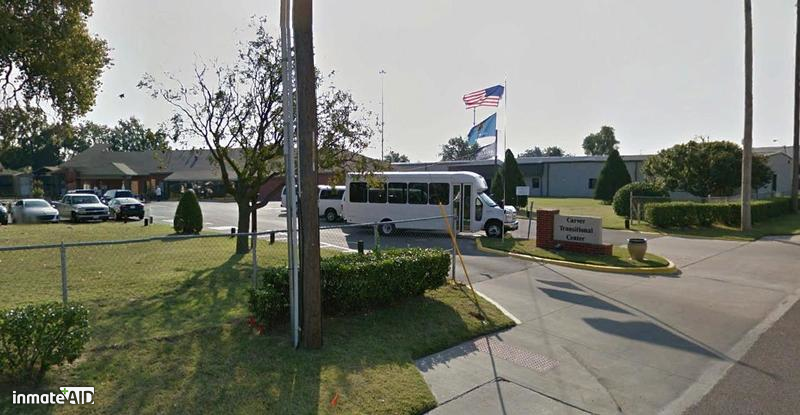
Carver Transitional is for Private Facility offenders have not been sentenced yet and are detained here until their case is heard.
All prisons and jails have Security or Custody levels depending on the inmate’s classification, sentence, and criminal history. Please review the rules and regulations for Reentry facility.
The phone carrier is Global Tel Link (GTL) - ConnectNetwork, to see their rates and best-calling plans for your inmate to call you.
If you are unsure of your inmate's location, you can search and locate your inmate by typing in their last name, first name or first initial, and/or the offender ID number to get their accurate information immediately Registered Offenders
Located in Oklahoma City, OK, Carver Transitional operates as a private contractor with various government agency agreements providing state-minimum custody requirements. Programs are offered to all custody levels, including work release residents focused on reentry success. With a strong emphasis on rehabilitation, Carver Transitional provides comprehensive educational and vocational opportunities. Onsite amenities include dietary, health, fitness, educational, religious, and recreational services. Regular inspections ensure compliance with government standards, ensuring the facility's continued operation.
The Carver Transitional Center in Oklahoma City, Oklahoma, operates as one of the largest and most established community corrections facilities in the state. Overseen by Administrator Elizabeth Stewart, the center is an American Correctional Association-accredited halfway house serving both male and female residents transitioning from incarceration back into the community. Originally launched in 1985 through a contract with the Oklahoma Department of Mental Health to provide substance abuse aftercare services for offenders referred by the Oklahoma Department of Corrections, the facility has expanded dramatically over the decades. Today, Carver functions as a major residential reentry center focused on rehabilitation, accountability, employment readiness, and long-term reintegration success.
The facility currently maintains housing for more than 550 residents, making it one of the largest halfway house operations in Oklahoma. Originally beginning with only 25 offender placements, Carver’s steady expansion reflects the growing emphasis on community corrections and transitional programming as alternatives to long-term incarceration. The center provides comprehensive halfway house services including employment placement assistance, case management, life-skills development, substance abuse treatment, and a structured 30-day, 100-hour cognitive transitional program designed to prepare residents for successful community reintegration. According to facility information, roughly 95 percent of Oklahoma Department of Corrections residents assigned to Carver obtain employment while participating in the program.
One of the most distinctive aspects of the Carver Transitional Center is its strong focus on substance abuse recovery and behavioral rehabilitation. The Oklahoma Department of Mental Health certifies the facility as a licensed drug and alcohol treatment provider, allowing Carver to offer residential and outpatient treatment services directly within the correctional environment. Residents receive access to counseling, relapse prevention classes, 12-step programming, education services, testing, anger management counseling, and cognitive behavioral modification programs. The treatment staff also provides counseling services for individuals, families, and group sessions, helping residents address addiction, trauma, decision-making patterns, and long-term stability before returning fully to society.
Operationally, Carver functions very differently from a traditional prison or jail. Residents participate in structured work release opportunities throughout Oklahoma City while remaining under supervision and accountability standards tied to the Oklahoma Department of Corrections. The center provides transportation to employment sites, medical appointments, court appearances, and legal obligations, helping residents maintain stability during the reentry process. Carver also offers alternative correctional services including residential work release, weekend incarceration programs, and day-reporting supervision for court-referred clients. These programs allow lower-risk offenders and transitional residents to remain connected to employment and treatment resources while still meeting correctional supervision requirements.
Carver Transitional Center remains a major part of Oklahoma’s broader community corrections system because of its size, long operational history, and emphasis on reducing recidivism through structured reintegration programming. Facility information states that national recidivism rates for released offenders often approach 50 percent, while successful completion of Avalon-operated halfway house programs lowers that rate to between 12 and 18 percent. Officials also emphasize the financial savings associated with halfway house placement compared to higher-security incarceration. Through employment opportunities, behavioral treatment, structured supervision, and reentry-focused programming, Carver continues serving as one of Oklahoma’s most influential correctional transition facilities dedicated to breaking the cycle of repeat incarceration.